Beyond Crawfish: Essential Ingredients for a Feast That Feeds a Crowd
A true Southern tradition, the
crawfish boil is more than just a meal; it's a vibrant, communal celebration of flavor, camaraderie, and the rich culinary heritage of Louisiana. While the succulent "mudbugs" are undoubtedly the star attraction, the magic of a legendary boil lies in its supporting cast – a carefully selected array of ingredients that absorb the spicy, aromatic broth, transforming a simple pot into an unforgettable feast designed to feed a crowd. For over two decades, seasoned cooks have honed the craft, realizing early on that there are countless ways to approach a boil, each offering unique textures and tastes.
The Heart of the Feast: Why a Crawfish Boil is More Than Just Crawfish
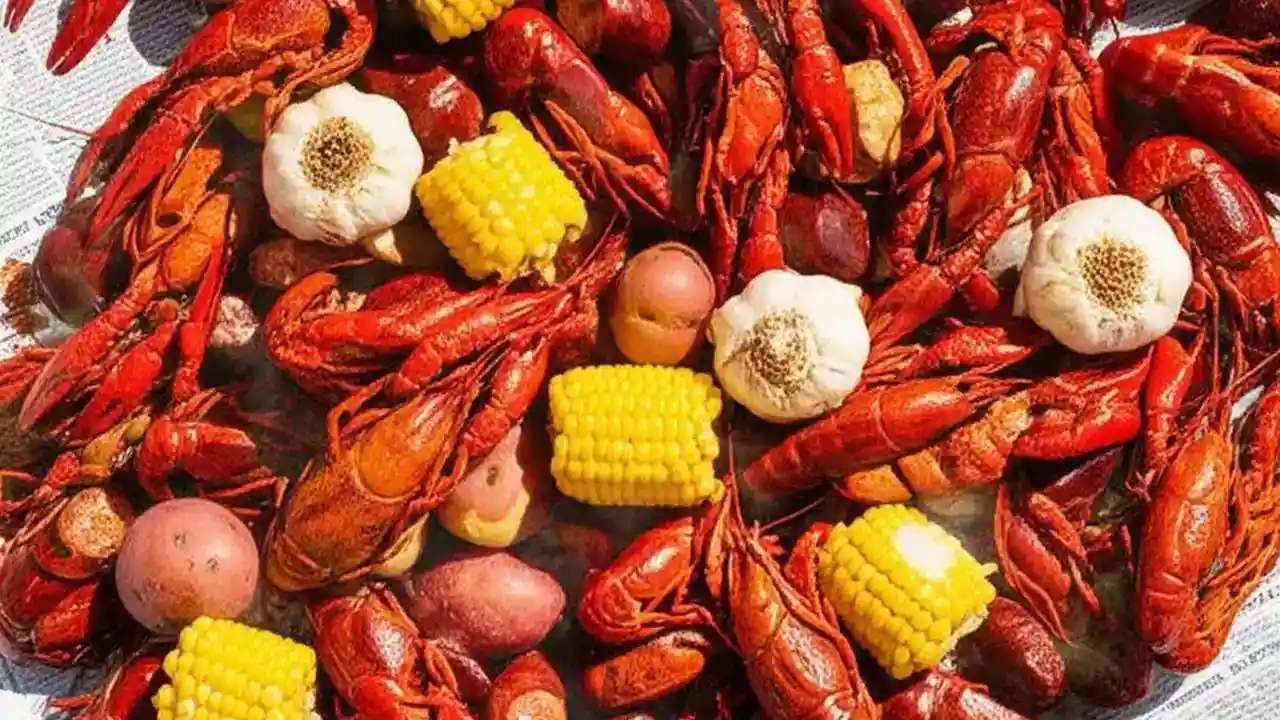
Imagine a sprawling table laden with steaming piles of vibrant red crawfish, but also golden corn, tender potatoes, and savory sausage. This isn't just a side dish; these elements are integral to the experience. A
crawfish boil is a quintessential "come sit for a while, take a load off" kind of food, perfectly suited for sharing great conversation and cold brews. It’s a spicy, crazy mess of a feast designed for communal enjoyment, and the inclusion of diverse vegetables and proteins is what truly stretches the meal, making it satisfying for everyone present.
While often compared to other seafood boils, one-pot meals, or even clam bakes, the crawfish boil holds a special place, distinguished by its unique Cajun goodness and the particular character of freshwater shellfish. The true genius lies in how the accompanying ingredients soak up the distinct spicy broth, ensuring every bite, whether it's crawfish or a humble potato, explodes with flavor.
The Unsung Heroes: Essential Vegetables and Staples
While the crawfish themselves are the headliners, the supporting cast of ingredients is what transforms a simple boil into a truly satisfying and memorable event. These elements don't just add bulk; they contribute diverse textures, flavors, and absorbing capabilities that are crucial to the overall experience.
- Red Idaho Potatoes: These are non-negotiable for most boils. Small red potatoes are perfect as they cook evenly and become delightfully tender, soaking up the spicy broth like sponges. They offer a comforting, starchy counterpoint to the heat and make the meal incredibly hearty. For optimal flavor infusion, they should be added relatively early in the boiling process.
- Mini Ears of Corn: Sweetness is a welcome contrast to the fiery kick of a good crawfish boil, and mini ears of corn deliver it perfectly. Their natural sugars caramelize slightly in the hot broth, offering a juicy, satisfying crunch. Add them later than potatoes, as they cook much faster and you want them tender-crisp, not mushy.
- Smoked Sausage: For many, a crawfish boil isn't complete without some form of smoked sausage. Varieties like Andouille or Kielbasa add a robust, savory, and often smoky depth that complements the seafood beautifully. Cut into manageable pieces, the sausage lends a meaty chew and releases its own fats into the broth, enriching the flavor profile. Add it alongside the potatoes or shortly after.
- Yellow Onions and Garlic: These foundational aromatics are critical for building the complex flavor of the broth. Halved yellow onions and whole heads of garlic, cut in half to expose the cloves, infuse the water with their pungent, savory essence. They should go in early with the seasoning to create a deep, aromatic base.
- Celery and Carrots: Less common in some basic boils but featured in renowned recipes like The Cajun Ninja’s, celery (cut into 4-inch pieces) and carrots (peeled and similarly cut) add subtle sweetness, earthy notes, and a layer of vegetable complexity. They round out the flavor profile and make the boil even more visually appealing and nutritious. Add them with other longer-cooking vegetables like potatoes.
- Steamed Artichokes: A delightful, though perhaps less traditional, addition mentioned by some enthusiasts are steamed artichokes. Their unique texture and subtle, earthy flavor make them an excellent vehicle for dipping into the spicy broth or a fiery dipping sauce, adding an unexpected gourmet touch to your backyard feast. Add these towards the end as they cook relatively quickly.
Crafting the Signature Flavor: Seasoning and Liquids
The soul of any
crawfish boil lies in its seasoned water. This isn't just hot liquid; it's a fiery, aromatic potion that penetrates every item in the pot.
The bedrock of this flavor is typically a generous quantity of
seafood boil seasoning. These pre-blended spice mixes are a convenience for many, offering a robust foundation of cayenne, paprika, garlic, onion, and various other spices. However, the art comes in seasoning "to your liking" – some prefer a milder kick, others a scorching inferno. Alongside the dry mix, a dose of
liquid crab boil often finds its way into the pot, intensifying the heat and adding a distinct, pungent depth.
Citrus is another crucial player. Halved
lemons and
navel oranges, sometimes supplemented with a cup of
orange juice, are often added to the boiling water. Beyond their bright, aromatic fragrance, they contribute a zesty acidity that cuts through the richness and heat, lifting the overall flavor profile. Don't just toss them in; give the halves a good squeeze to release their juices before dropping them into the pot.
Finally, a significant amount of
salt is indispensable. This isn't just for taste; it's critical for seasoning the water sufficiently to draw flavor into the crawfish and vegetables. It's important to distinguish this from the controversial "salt purge" method for cleaning crawfish, which is not recommended; the salt is for *flavoring* the boil itself.
The Art of Timing: When to Add Your Ingredients
Mastering the timing of your ingredient additions is key to a perfectly cooked boil where everything reaches its ideal texture and flavor absorption. The general rule of thumb is to add items that require longer cooking or more time to absorb flavor first, followed by those that cook quickly.
1.
Build the Broth: Start by bringing your water to a rolling boil and adding all your seasonings (dry and liquid), citrus, and aromatics like quartered onions, halved garlic heads, celery, and carrots. Let this simmer for a good 15-20 minutes to thoroughly infuse the water with flavor.
2.
Longer-Cooking Items: Next, introduce your potatoes and smoked sausage. These dense items need significant time to cook through and soak up the seasoned water.
3.
The Crawfish: Once your potatoes and sausage are nearly done, it's time for the star. Add your purged live crawfish (more on purging below). Cook them just until they turn bright red – avoid overboiling.
4.
Quick-Cooking Items: As the crawfish boil, toss in the corn and any artichokes. These only need a few minutes to cook.
5.
The Soak: This is arguably the most crucial step for flavor. Once everything is cooked, turn off the heat and let the ingredients soak in the hot, seasoned water. The longer they soak (within reason, usually 15-30 minutes), the more flavor they will absorb. Some experienced cooks even use a two-pot method: a very hot boil pot and a cooler soak pot to better control the process.
Beyond the Pot: Maximizing Your Crawfish Boil Experience
A truly great
crawfish boil extends beyond just the cooking process. Proper preparation and serving techniques elevate the entire event.
First and foremost,
purging your crawfish is an essential step. Since these "mudbugs" live in, well, mud, they need to be cleaned before cooking. The recommended method is the freshwater purge: simply place your live crawfish in a large container, fill it with fresh water, and let them sit for 10-15 minutes, stirring occasionally. Drain and repeat this process several times until the water runs mostly clear. Do *not* use the salt method for purging, as it can kill the crawfish and affect their texture.
After the boil and the critical soak, how you serve also matters. While some people are accustomed to sprinkling extra seasoning on the outside of their crawfish, many traditionalists and seasoned cooks strongly advise against it. The idea is that the internal seasoning from the soak should be sufficient and perfectly balanced. Adding more external seasoning can overpower the delicate flavor developed during the cooking process.
Ultimately, the fun in outdoor cooking, especially a crawfish boil, is about personalizing the experience. Don't be afraid of changing, tweaking, and testing new ways to cook your recipes.
A crawfish boil is a multi-faceted culinary experience, a testament to the idea that a truly great meal is built on more than just one hero ingredient. From the robust potatoes and sweet corn to the savory sausage and aromatic citrus, each component plays a vital role in creating a symphony of flavors that define this beloved Southern tradition. So gather your ingredients, fire up the pot, and get ready to host a feast that feeds not just a crowd, but also their souls, with the rich, vibrant tastes of Cajun country. Just get outside and cook something. Enjoy!