Mastering Your Crawfish Boil: Purging, Soaking, and Seasoning Guide
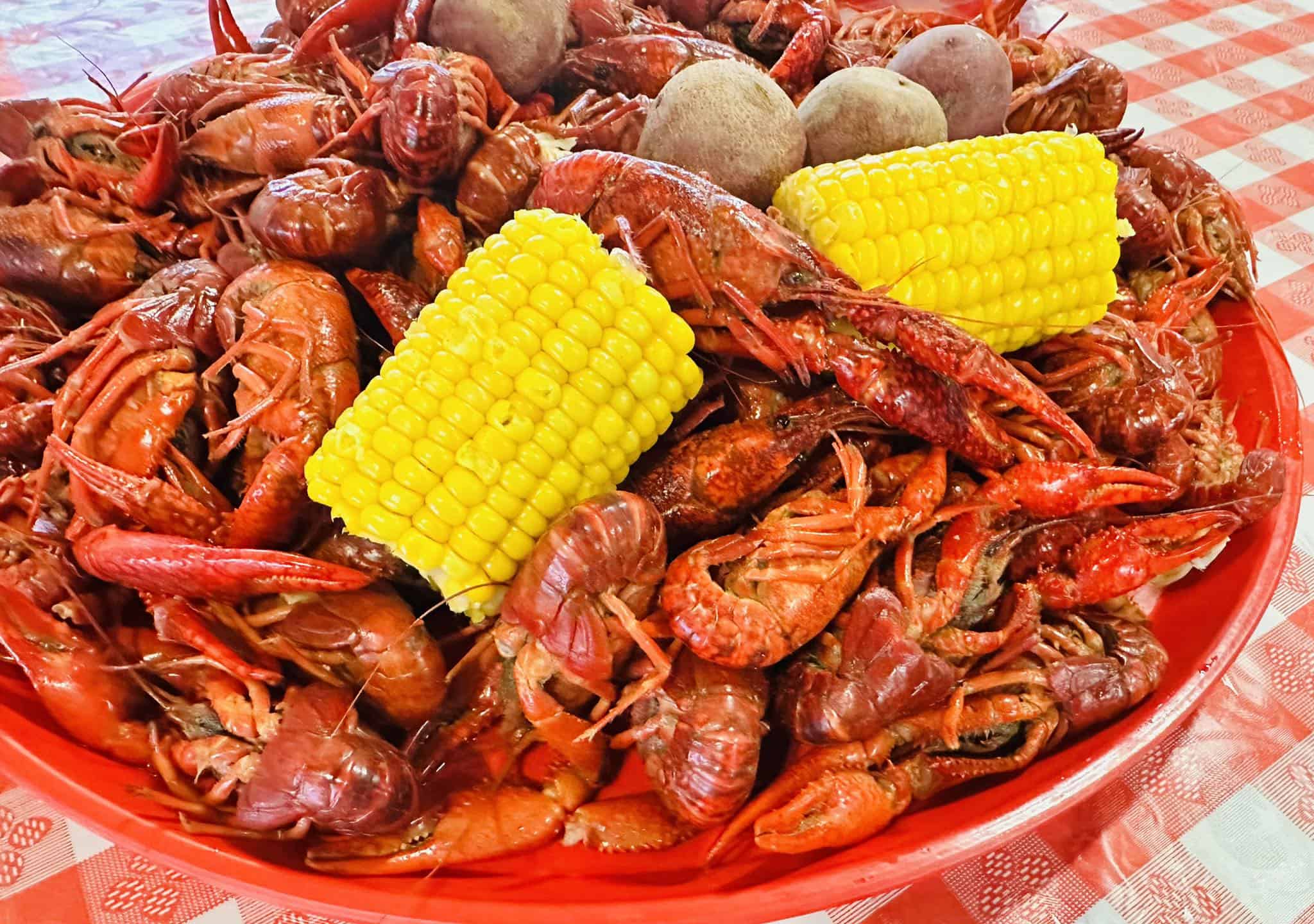
There are few culinary traditions as vibrant, flavorful, and truly communal as a Southern crawfish boil. More than just a meal, it's an event, a celebration of good company, cold drinks, and a spicy, messy feast that leaves everyone satisfied. Originating from the rich culinary tapestry of Louisiana, the crawfish boil has captivated palates far and wide, making "mudbugs" a beloved delicacy. While the spectacle of a massive pot overflowing with red crustaceans is impressive, the true magic lies in the details: meticulous purging, expert seasoning, and the art of the perfect soak. Whether you're a seasoned host or planning your very first crawfish boil, understanding these fundamental steps will elevate your event from good to legendary.
The Foundation: Sourcing and Purging Your Live Crawfish
Before the boiling begins, the journey to a stellar crawfish boil starts with selecting the right ingredients – specifically, your crawfish. These freshwater shellfish, larger than shrimp but smaller than lobster, are often affectionately called "mudbugs" for a reason: they thrive in muddy environments. This brings us to the absolutely essential first step: purging.
What are Crawfish and Why Purge Them?
Crawfish, or crayfish, are a staple of Cajun cuisine, particularly cherished in Louisiana. They are typically harvested from ponds and rice fields, and their natural habitat means they will inevitably carry mud, grit, and other impurities. Purging is the process of cleaning these live crawfish to ensure they are free of debris, leading to a cleaner taste and a more enjoyable eating experience. Skipping this step can result in gritty, less appealing crawfish, which is a major no-no for any serious crawfish enthusiast.
The Freshwater Purging Method (and Why it's the Best)
While some old-school methods might suggest using salt for purging, the consensus among experienced boil masters is to stick to the freshwater method. Not only is it more effective, but it also avoids unnecessarily salting the crawfish before they even hit the seasoned pot. Here’s how to do it:
- Gather Your Gear: You’ll need a large ice chest, a sturdy tub, or a dedicated crawfish purging bin, along with a garden hose.
- Unbag and Inspect: Carefully empty your sacks of live crawfish into your chosen container. Remove any dead crawfish (they won't purge and can spoil the batch) or excessive debris like leaves and twigs. Live crawfish will be active and attempt to pinch you.
- Fill with Fresh Water: Fill the container with clean, cool freshwater, just enough to cover the crawfish.
- Gentle Stirring: Use a paddle or a long stick to gently stir the crawfish for a few minutes. This helps dislodge mud and impurities.
- Drain and Repeat: Drain the murky water from the container. You'll likely see a significant amount of mud and sediment. Repeat the process of filling, stirring, and draining several times until the water runs relatively clear. This typically takes 3-5 cycles, or until you're satisfied with the cleanliness.
- Time it Right: Purge your crawfish just before you're ready to boil them. They should not be left in fresh water for extended periods, as this can weaken them or even cause them to die.
This diligent purging ensures that when you crack open those shells, you’re greeted with pure, unadulterated crawfish flavor.
Crafting the Perfect Pot: Seasoning Your Crawfish Boil Broth
With your crawfish meticulously purged, the next critical step is to build the flavor profile of your boil water. This isn't just about adding heat; it's about creating a complex, aromatic broth that permeates every element of your feast. The beauty of a crawfish boil is its adaptability, allowing you to tailor the seasoning to your preferences.
The Core Seasoning Components
The heart of any great crawfish boil lies in its seasoning. While pre-mixed seafood boil seasonings are a convenient starting point, true mastery comes from understanding and balancing the individual components:
- Seafood Boil Seasoning: Commercial blends (often in large containers) are your base. Choose one with a good reputation for flavor and spice.
- Salt: Don't underestimate the power of additional salt. Rock salt or kosher salt helps to draw out impurities and infuse flavor deeply. Consider a generous amount, as it's crucial for the overall taste.
- Liquid Crab Boil: For an extra punch of heat and signature Louisiana flavor, a good splash of liquid crab boil is indispensable.
- Citrus: Lemons, halved, are a traditional addition, providing a bright, tangy note that complements the spice and aids in peeling the crawfish. Some cooks even add halved oranges or a cup of orange juice for an added layer of sweetness and aroma, a trick borrowed from legendary Cajun chefs.
- Aromatics: Don't forget the foundational flavors! Quartered yellow onions, halved heads of garlic, and cut celery pieces release their essence into the broth, deepening its complexity. Carrots, peeled and cut, also add a subtle sweetness and color.
Remember, seasoning is highly personal. Start with a solid foundation, then taste and adjust. The fun of outdoor cooking is in the tweaking and testing! Some cooks even employ a two-pot method: one for the initial boiling (very hot and spicy) and a second, slightly cooler pot for soaking, allowing for more precise control over heat absorption.
For a deeper dive into all the delicious components that transform a simple boil into a grand feast, explore our guide on
Beyond Crawfish: Essential Ingredients for a Feast That Feeds a Crowd.
The Art of the Soak: Achieving Flavorful, Juicy Crawfish
Boiling the crawfish cooks them, but soaking is where they truly transform, absorbing the rich, spicy broth you've painstakingly prepared. This step is often overlooked by novices, but it's paramount for achieving that deep, flavorful punch in every bite.
The "Don't Over Boil" Rule
First and foremost: *do not over boil your crawfish*. Overcooking renders them tough and rubbery, making them less enjoyable. Crawfish cook relatively quickly. Once you add the purged crawfish to the rolling boil, they will float to the surface within a few minutes and turn bright red. A typical cook time is usually no more than 3-5 minutes. The goal is to cook them just enough so they are done, but still tender.
The Soaking Technique
After boiling, the magic of the soak begins. The principle is simple: as the crawfish cool, they absorb the liquid around them.
- Single Pot Method: If using one pot, turn off the heat immediately after the crawfish are cooked. You can also add a bag of ice to the pot. This rapidly cools the water, stopping the cooking process and creating a temperature differential that encourages absorption.
- Two-Pot Method: Some master chefs prefer a two-pot setup. The crawfish are boiled in a very hot, highly seasoned pot, then quickly transferred to a second, slightly cooler pot filled with an equally seasoned (or even more intensely seasoned) broth. This technique offers precise control over temperature and flavor infusion.
- How Long to Soak: This is where personal preference comes in. There’s no exact science, but the general rule is "not too long," yet long enough for flavor. Start checking after about 10-15 minutes. Pull one out, peel it, and taste. If it's not spicy enough, let it soak longer. If it's getting too spicy, or the texture is becoming mushy, it's time to drain. Soaking times can range from 10 minutes to 30 minutes or even longer, depending on your desired heat level and the size of the crawfish.
The combination of the warm broth and the gradual cooling of the crawfish encourages the seasoned liquid to penetrate the meat, resulting in succulent, intensely flavored mudbugs. And a crucial tip from seasoned boil masters:
do NOT season the outside of the crawfish after they are boiled and soaked. The flavor should come from within!
More Than Just Mudbugs: Complementary Boil Add-ins
A true crawfish boil is a diverse feast, designed to feed a crowd with a variety of textures and flavors. While the crawfish are the star, the supporting cast of ingredients is essential for a well-rounded and satisfying meal.
Classic and Crowd-Pleasing Additions
These items are nearly as iconic as the crawfish themselves and are expected at any traditional boil:
- Potatoes: Small red potatoes or mini Idaho potatoes are perfect. They absorb the spicy broth beautifully and offer a comforting, starchy counterpoint to the heat. Add them early, as they take longer to cook than other vegetables.
- Corn: Mini ears of corn, either fresh or frozen, add a sweet crunch that provides a delightful contrast to the savory spice. Add them about 10-15 minutes before the crawfish.
- Sausage: Smoked sausage, particularly Andouille sausage, brings a hearty, smoky depth to the boil. Cut into manageable pieces, it’s a filling and flavorful addition.
Adventurous and Unexpected Add-ins
Don't be afraid to experiment! Many cooks love to introduce unique items to surprise and delight their guests:
- Artichokes: Steamed artichokes, when dipped in the fiery broth, are a unique and delicious treat.
- Mushrooms: Whole cremini or button mushrooms soak up the spice wonderfully and offer an earthy flavor.
- Broccoli or Asparagus: For a touch of green, these vegetables can be added in the final stages of the boil.
- Boiled Eggs: Eggs boiled in the seasoned broth are surprisingly popular, offering a different texture and absorbing the flavor.
- Pineapple: For those seeking a sweet and spicy twist, chunks of fresh pineapple can be a surprisingly delicious addition.
The key to adding vegetables and other items is timing. Denser, slower-cooking items like potatoes and carrots should go in first. Quicker-cooking vegetables like corn, mushrooms, and artichokes can be added later, ensuring everything is perfectly cooked without becoming mushy.
For a comprehensive guide on making your crawfish boil an unforgettable event, from planning to serving, check out our article on
Host a Legendary Crawfish Boil: Essential Tips & Cajun Flavors.
Conclusion
Mastering your crawfish boil is a journey, not a destination. It’s about embracing the process, understanding the impact of each step, and ultimately, tailoring the experience to create lasting memories. From the meticulous purging of live crawfish to crafting a perfectly seasoned broth and allowing for that crucial soak, every detail contributes to the vibrant, spicy, and utterly satisfying feast that is a true crawfish boil. So gather your friends, get your ingredients ready, and don’t be afraid to tweak and test. Get outside, fire up that pot, and savor the unforgettable flavors and joyous camaraderie that only a perfectly executed crawfish boil can bring. Enjoy!